Description
The chart is an interactive lineage map. American realism sits at the center, on a timeline that runs from older movements at the top to newer ones at the bottom. The movements that influenced it appear above it, any parallel movements it developed alongside sit on its own row, and the movements it later influenced appear below. Every line is a real, cited connection between two movements: a solid line is an influence historians broadly agree on, and a dashed line is an indirect, parallel, or contested link.
For American realism (c. 1880 – 1950s), it traces one movement that shaped it, a well-established link: Realism; it fans out to two movements it went on to influence, all well-established links: American Scene Painting and the Ashcan School.
American realism was a movement in art, music and literature that depicted contemporary social realities and the lives and everyday activities of ordinary people. The movement began in literature in the mid-19th century, and became an important tendency in visual art in the early 20th century. Whether a cultural portrayal or a scenic view of downtown New York City, American realist works attempted to define what was real. Read more ↗
Key Artists
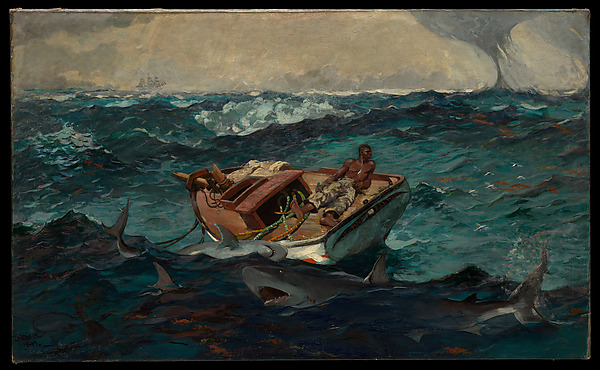
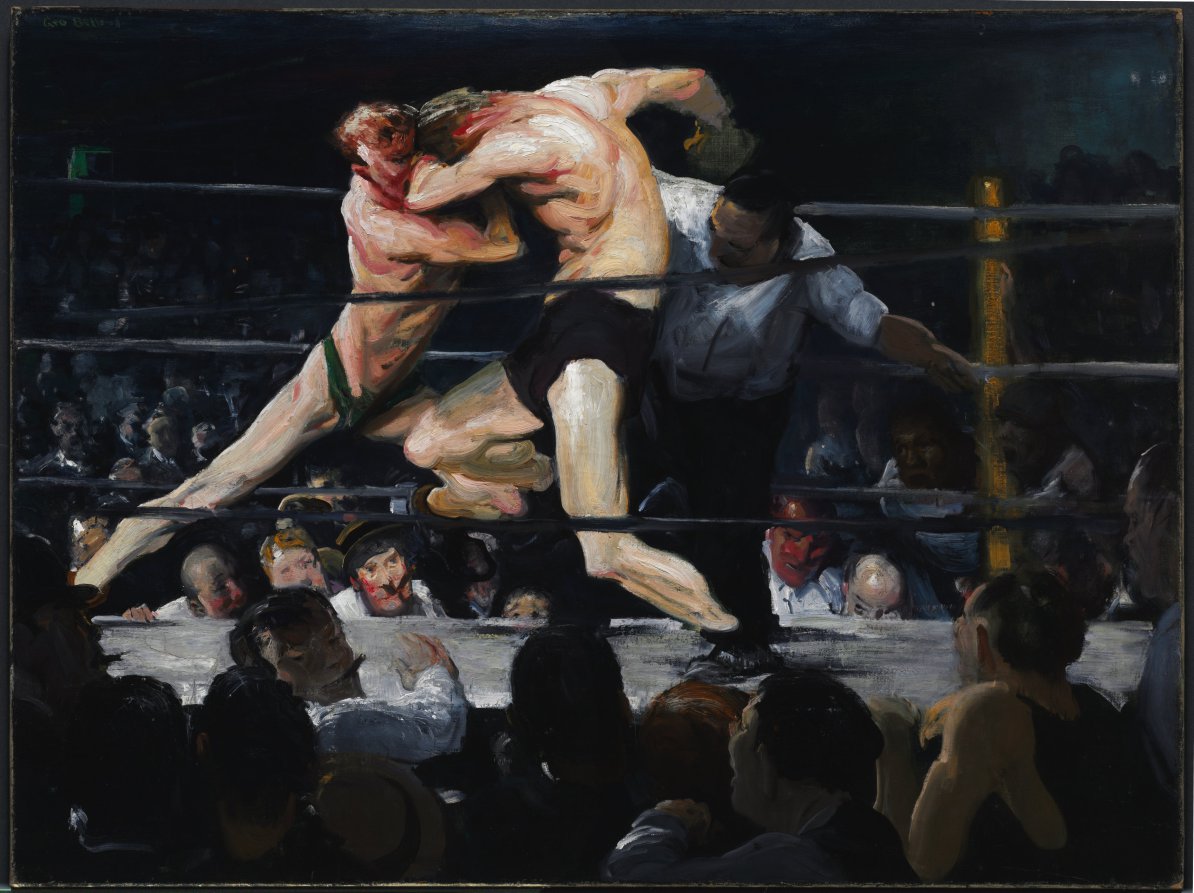
Famous Artworks
_-_Google_Art_Project.jpg)