Art photography

Description

Fine-art photography is photography created in line with the vision of the photographer as artist, using photography as a medium for creative expression. The goal of fine-art photography is to express an idea, a message, or an emotion. This stands in contrast to representational photography, such as photojournalism, which provides a documentary visual account of specific subjects and events, literally representing objective reality, rather than the subjective intent of the photographer; and commercial photography, the primary focus of which is to advertise products or services. Read more ↗
Key Artists

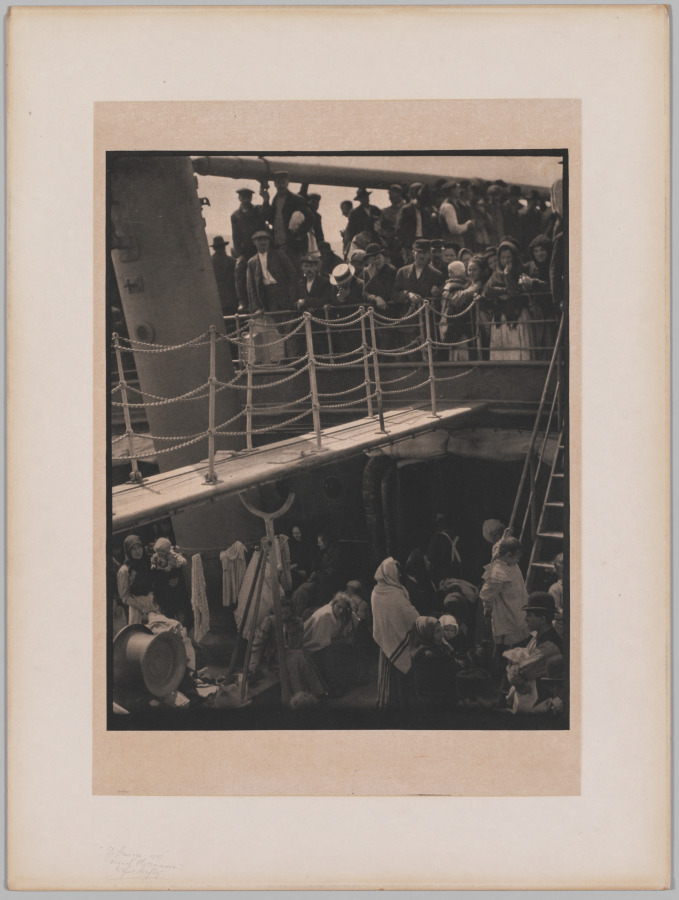
Alfred Stieglitz
The pioneering patriarch who fought to establish photography as a fine art form, founding the Photo-Secession, publishing 'Camera Work', and running Gallery 291 in New York.
Edward Steichen
Co-founder of the Photo-Secession who bridged moody, painterly Pictorialist gum-bichromate prints with sharp-focus modernist fashion and portrait photography.
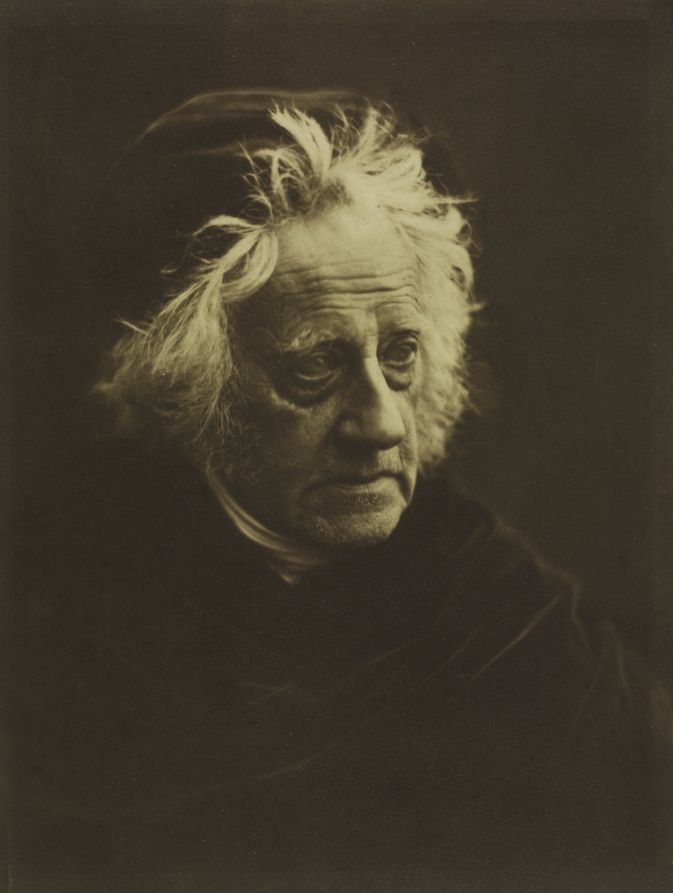
Julia Margaret Cameron
19th-century British portraitist celebrated by later fine-art photographers as a direct precursor for her poetic, soft-focus, psychological portraits and allegorical scenes.
Gertrude Käsebier
Founding member of the Photo-Secession and leading American Pictorialist photographer famous for evocative, softly lit portraits of motherhood and Native Americans.
Edward Weston
Co-founder of Group f/64 who abandoned Pictorialist soft focus to create sculptural, razor-sharp straight photographs of seashells, peppers, and California dunes.
Ansel Adams
Virtuoso of straight landscape photography and Group f/64 co-founder who invented the Zone System to achieve infinite tonal precision across majestic American national parks.

Famous Artworks

The Steerage
The Steerage
Alfred Stieglitz · 1907
Metropolitan Museum of Art / Museum of Modern Art, New York - Photogravure print
Credit: Cleveland Museum of Art - Alfred Stieglitz
The Flatiron
The Flatiron
Edward Steichen · 1904
Metropolitan Museum of Art, New York - Gum bichromate over platinum print
Credit: Edward Steichen (Wikimedia Commons)
Sir John Herschel
Sir John Herschel
Julia Margaret Cameron · 1867
Metropolitan Museum of Art, New York - Albumen silver print from glass negative
Credit: Cleveland Museum of Art - Julia Margaret Cameron
Blessed Art Thou Among Women
Gertrude Käsebier · 1899
Metropolitan Museum of Art, New York - Platinum print
Credit: Gertrude Käsebier (Wikimedia Commons)
Pepper No. 30
Pepper No. 30
Edward Weston · 1930
Center for Creative Photography, Tucson, Arizona / MoMA, New York - Gelatin silver print
Credit: Edward Weston (Wikimedia Commons)
Moonrise, Hernandez, New Mexico
Ansel Adams · 1941
Museum of Modern Art (MoMA), New York - Gelatin silver print
Credit: Ansel Adams (Wikimedia Commons)

Fun Facts

In 1932, Edward Weston, Ansel Adams, and Imogen Cunningham formed 'Group f/64' in California, naming their collective after the smallest camera lens aperture setting (f/64) because it yielded maximum sharpness and depth of field, rejecting blurry Pictorialism once and for all.
↗ Source: britannica.com
To produce the moody, painterly colors in his famous 1904 photograph 'The Flatiron', Edward Steichen hand-applied layers of light-sensitive gum bichromate pigmented with Prussian blue directly onto his platinum print, creating a unique photographic print that functioned exactly like an original painting.
↗ Source: metmuseum.org

Shop Art photography wall art

Explore more