Assemblage

Description

Assemblage is an artistic form or medium usually created on a defined substrate that consists of three-dimensional elements projecting out of or from the substrate. It is similar to collage, a two-dimensional medium. It is part of the visual arts and it typically uses found objects, but is not limited to these materials. The term also may be applied to free-standing works that have been assembled. Read more ↗
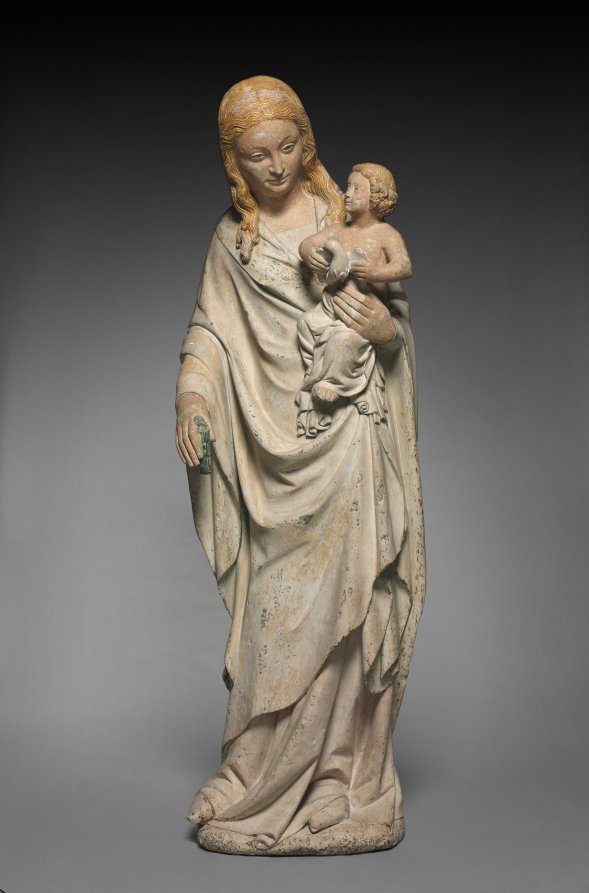
Key Artists

Louise Nevelson
Supreme master of American sculpture who constructed monumental, wall-sized wooden assemblages from discarded furniture pieces, crates, and architectural spindles, unifying them under uniform coats of matte black, white, or gold paint.
Joseph Cornell
Pioneer of poetic shadow boxes who arranged found objects - including maps, marbles, astronomical charts, and Victorian engravings - inside glass-fronted wooden cabinets to evoke nostalgic, dreamlike worlds.
Robert Rauschenberg
Revolutionary artist whose three-dimensional Combines and free-standing constructions transformed discarded street refuse, taxidermy, and industrial scraps into celebrated high art.
George Herms
Leading West Coast assemblage pioneer associated with California's 'junk art' movement who composed lyrical, rustic sculptures from weathered wood, rusted iron, and discarded debris found in abandoned dumps.
Bruce Conner
California assemblage and avant-garde film artist who created dark, visceral sculptures wrapped in nylon stockings, wax, lace, and broken costume jewelry to critique consumerism and nuclear terror.
Edward Kienholz
Provocative installation and assemblage artist whose life-size tableaux combined salvaged furniture, mannequins, and scrap metal into biting social satires of institutional violence and modern decay.

Famous Artworks

Sky Cathedral
Louise Nevelson · 1958
Museum of Modern Art (MoMA), New York - Assemblage: wood construction painted black
Untitled (Solar Set)
Joseph Cornell · 1958
Museum of Modern Art (MoMA), New York - Box construction: wood, glass, metal rings, marbles, and printed paper collage
Canyon
Robert Rauschenberg · 1959
Museum of Modern Art (MoMA), New York - Combine: oil, pencil, paper, metal, photograph, fabric, wood, canvas, buttons, mirror, taxidermy bald eagle, cardboard, pillow, paint tube, and other materials
The Librarian
George Herms · 1960
Norton Simon Museum, Pasadena / California assemblage history - Wood, paper, metal, and found objects
Child
Child
Bruce Conner · 1959
Museum of Modern Art (MoMA), New York - Wax figure, wood high chair, nylon stockings, cloth, and metal
Credit: Cleveland Museum of Art
Back Seat Dodge '38
Edward Kienholz · 1964
Los Angeles County Museum of Art (LACMA) - Assemblage tableau with truncated 1938 Dodge coupe, chicken wire figures, artificial grass, beer bottles, and recorded music

Fun Facts

In 1961, MoMA curator William C. Seitz organized the landmark exhibition The Art of Assemblage, which formally defined the medium and displayed over 250 works by early European Dadaists alongside contemporary American West Coast junk sculptors.
↗ Source: moma.org
When Joseph Cornell created his intricate shadow boxes, he rarely left his modest home on Utopia Parkway in Queens, New York, where he lived with his mother and disabled brother, sourcing all his rare books, marbles, and Victorian trinkets during afternoon scavenging trips to Manhattan thrift shops.
↗ Source: moma.org

Shop