Description
The chart is an interactive lineage map. Barbizon school sits at the center, on a timeline that runs from older movements at the top to newer ones at the bottom. The movements that influenced it appear above it, any parallel movements it developed alongside sit on its own row, and the movements it later influenced appear below. Every line is a real, cited connection between two movements: a solid line is an influence historians broadly agree on, and a dashed line is an indirect, parallel, or contested link.
For Barbizon school (c. 1830 – 1870), it traces one movement that shaped it, a well-established link: Romanticism; it runs alongside one parallel movement, a well-established link: Realism; it fans out to four movements it went on to influence, all well-established links: the American Barbizon school, Impressionism, Plein Air and Tonalism.
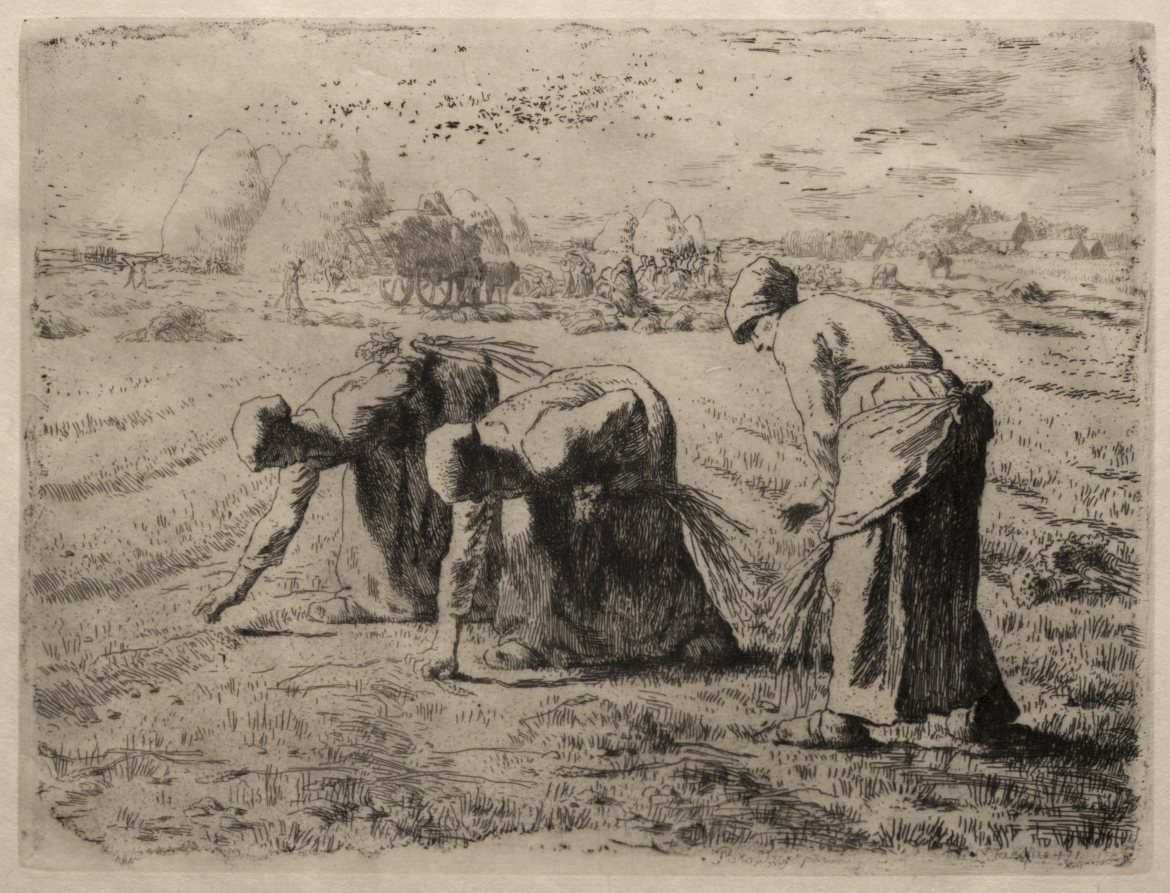
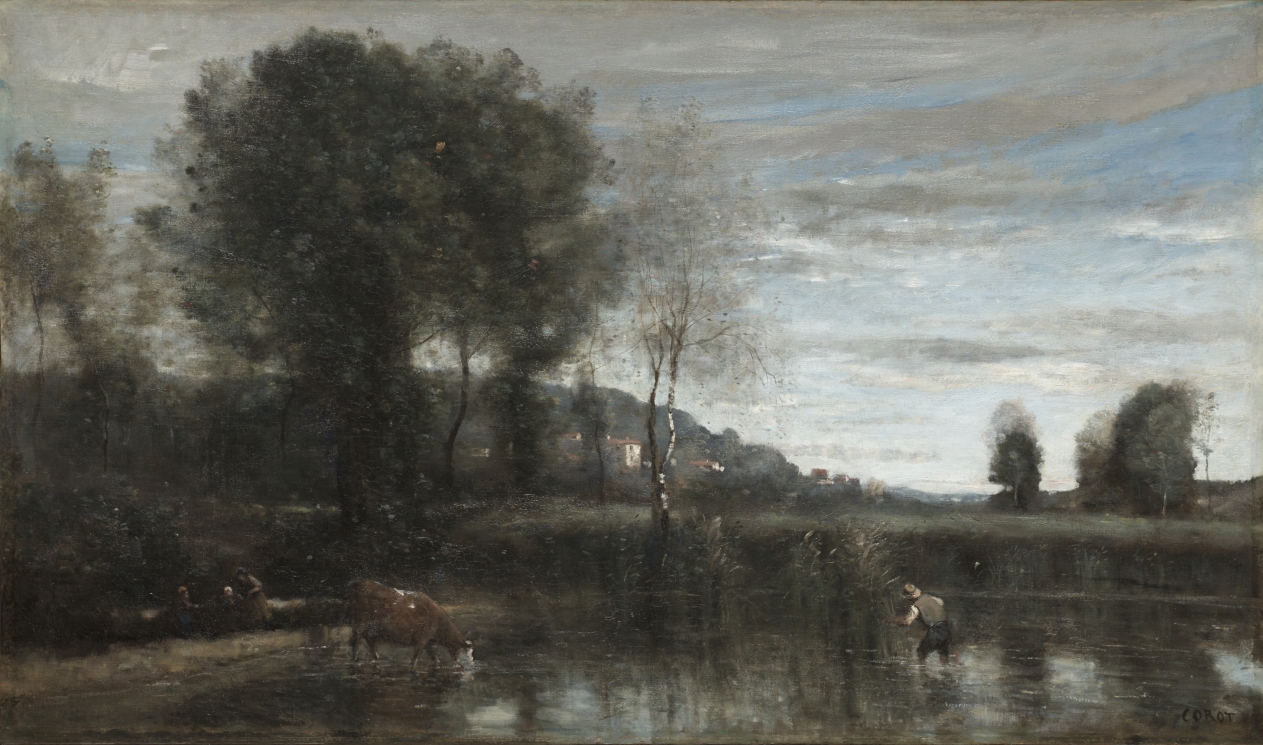
The Barbizon school (French: école de Barbizon, pronounced [ekɔl də baʁbizɔ̃]) is the name given to oil painters and others who were part of an art movement advancing Realism in art, which arose in the context of the dominant Romantic Movement of the time. Roughly active from 1830 through 1870, the "school" gained its name from the village of Barbizon, France, on the edge of the Forest of Fontainebleau, where many of the artists gathered. Most of their works were landscape painting, which occasionally included farmworkers, and genre scenes of village life. Some of the most prominent features of this school are its tonal qualities, color, loose brushwork, and softness of form. Read more ↗