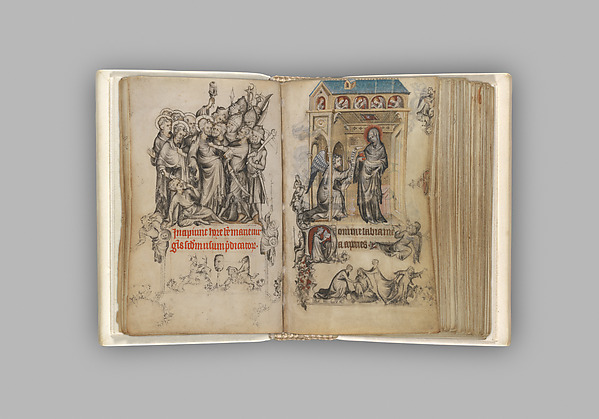
Description
The chart is an interactive lineage map. Gothic art sits at the center, on a timeline that runs from older movements at the top to newer ones at the bottom. The movements that influenced it appear above it, any parallel movements it developed alongside sit on its own row, and the movements it later influenced appear below. Every line is a real, cited connection between two movements: a solid line is an influence historians broadly agree on, and a dashed line is an indirect, parallel, or contested link.
For Gothic art (12th – 16th Century), it traces one movement that shaped it, a well-established link: Romanesque; it fans out to two movements it went on to influence, all well-established links: International Gothic and the Renaissance.
Gothic art was a style of medieval art that developed in Northern France out of Romanesque art in the 12th century, led by the concurrent development of Gothic architecture. It spread to all of Western Europe, and much of Northern, Southern and Central Europe, never quite effacing more classical styles in Italy. In the late 14th century, the sophisticated court style of International Gothic developed, which continued to evolve until the late 15th century. In many areas, especially Germany, Late Gothic art continued well into the 16th century, before being subsumed into Renaissance art. Primary media in the Gothic period included sculpture, panel painting, stained glass, fresco and illuminated manuscripts. Read more ↗