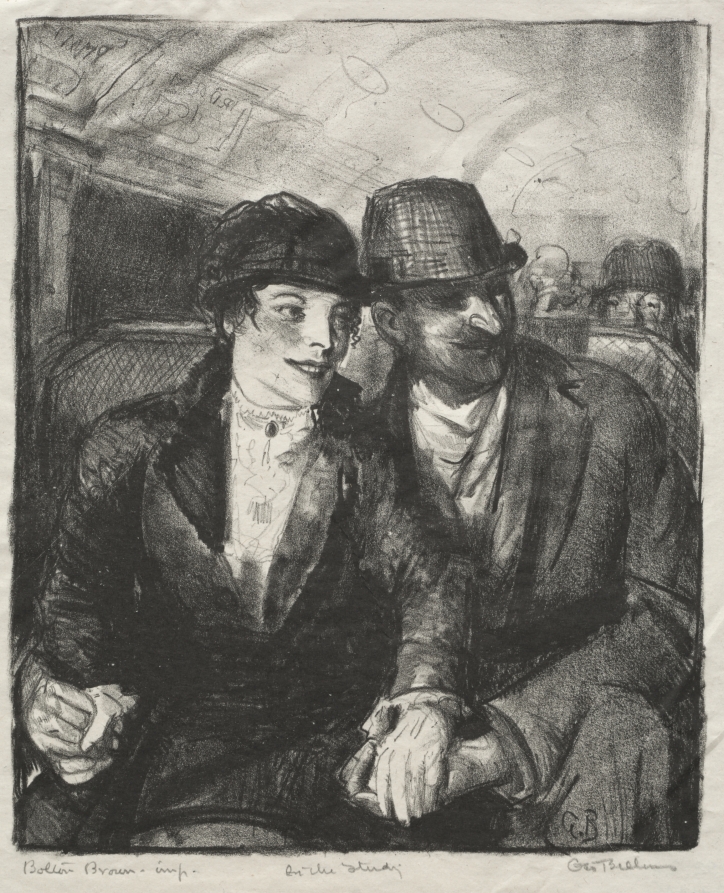
Description
The chart is an interactive lineage map. Magic realism sits at the center, on a timeline that runs from older movements at the top to newer ones at the bottom. The movements that influenced it appear above it, any parallel movements it developed alongside sit on its own row, and the movements it later influenced appear below. Every line is a real, cited connection between two movements: a solid line is an influence historians broadly agree on, and a dashed line is an indirect, parallel, or contested link.
For Magic realism (1925 – Present), no earlier influence is recorded for it; it runs alongside three parallel movements, a mix of well-established and looser, indirect links: Fantastic realism, New Objectivity and Surrealism.
Magical realism, magic realism, or marvellous realism is a style or genre of fiction and art that presents a realistic view of the world while also incorporating magical elements, often blurring the lines between speculation and reality. Magical realism is the most commonly used of the three terms and refers to literature, in particular, with magical or supernatural phenomena presented in an otherwise real-world or mundane setting, and is commonly found in novels and dramatic performances. In his article "Magical Realism in Spanish American Literature", Luis Leal explains the difference between magic literature and magical realism, stating that, "Magical realism is not magic literature either. Read more ↗