Description
The chart is an interactive lineage map. Modernism sits at the center, on a timeline that runs from older movements at the top to newer ones at the bottom. The movements that influenced it appear above it, any parallel movements it developed alongside sit on its own row, and the movements it later influenced appear below. Every line is a real, cited connection between two movements: a solid line is an influence historians broadly agree on, and a dashed line is an indirect, parallel, or contested link.
For Modernism (c. 1860s – 1970s), no earlier influence is recorded for it; it runs alongside two parallel movements, all well-established links: Impressionism and Post-Impressionism; it fans out to six movements it went on to influence, all well-established links: Brutalism, the Dakar School, the Harlem Renaissance, Hypermodernism, the Progressive Art Movement and Remodernism.
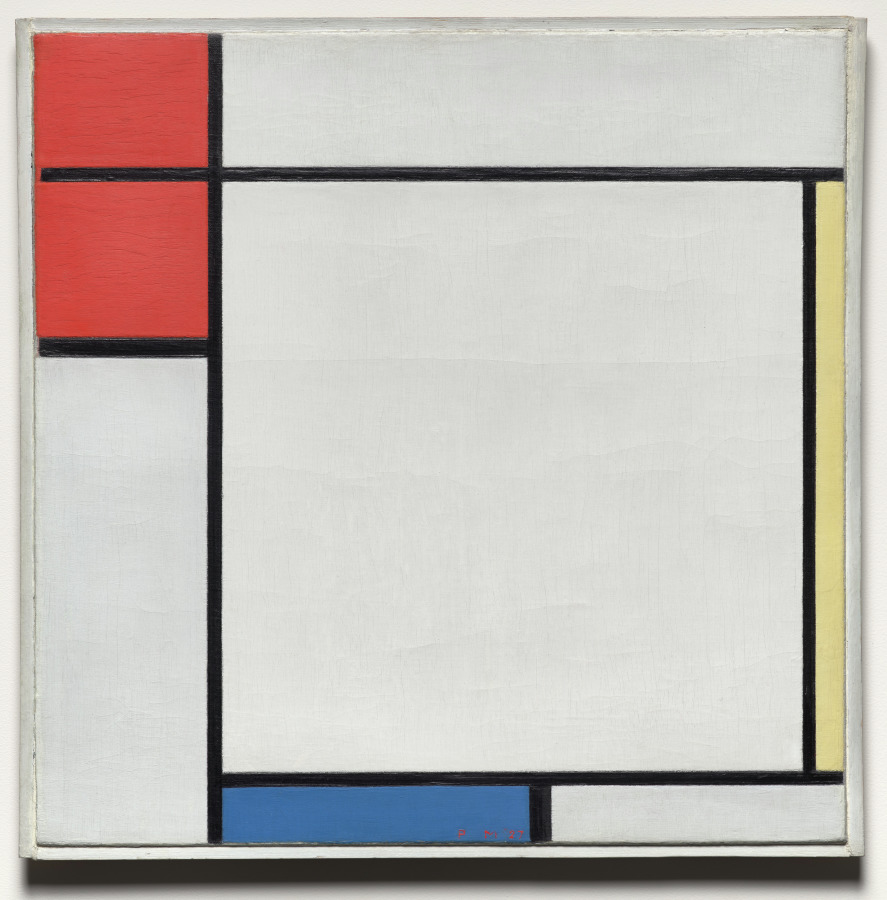
Modernism was an early 20th-century movement in literature, visual arts, performing arts, and music that emphasized experimentation, abstraction, and subjective experience. Philosophy, politics, architecture, and social issues were all aspects of this movement. Modernism centered around beliefs in a "growing alienation" from prevailing "morality, optimism, and convention" and a desire to change how "human beings in a society interact and live together". Read more ↗