
Description
The chart is an interactive lineage map. Paris School sits at the center, on a timeline that runs from older movements at the top to newer ones at the bottom. The movements that influenced it appear above it, any parallel movements it developed alongside sit on its own row, and the movements it later influenced appear below. Every line is a real, cited connection between two movements: a solid line is an influence historians broadly agree on, and a dashed line is an indirect, parallel, or contested link.
For Paris School (c. 1905 – 1950), it traces two movements that shaped it, all well-established links: Fauvism and Post-Impressionism; it runs alongside one parallel movement, an indirect or contested link: Cubism.
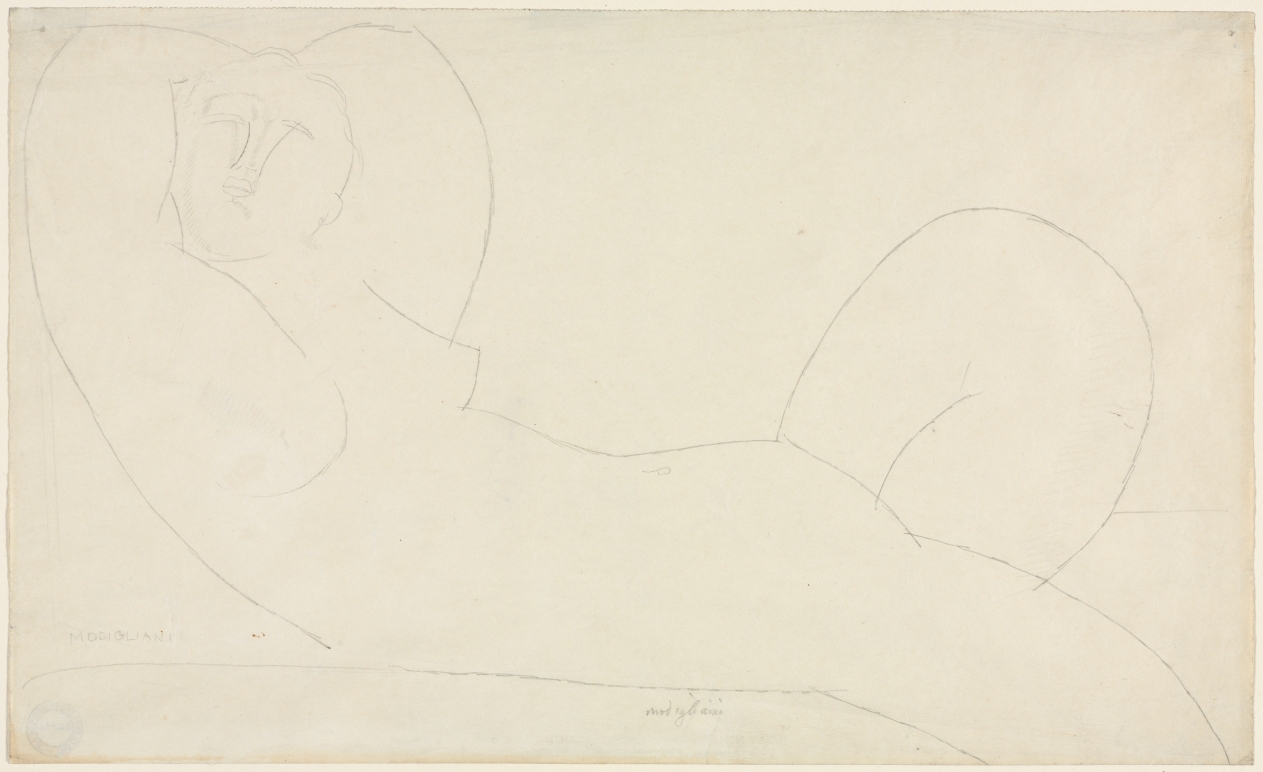
The School of Paris (French: École de Paris, pronounced [ekɔl də paʁi]) refers to the French and émigré artists who worked in Paris in the first half of the 20th century. Never a single art movement or institution, the term "School of Paris" refers instead to the primacy of Paris as the centre of Western art between 1900 and 1940. Read more ↗
.jpg)
.png)
_-_BF422_-_Barnes_Foundation.jpg)
