It sat inside a bedroom desk drawer in Bear, Delaware, smaller than a cigarette lighter and dull gray like river silt. When FBI Special Agent Jacob B. Archer knocked on January 13, 2018, Michael Rohana walked straight to the drawer and handed it over.
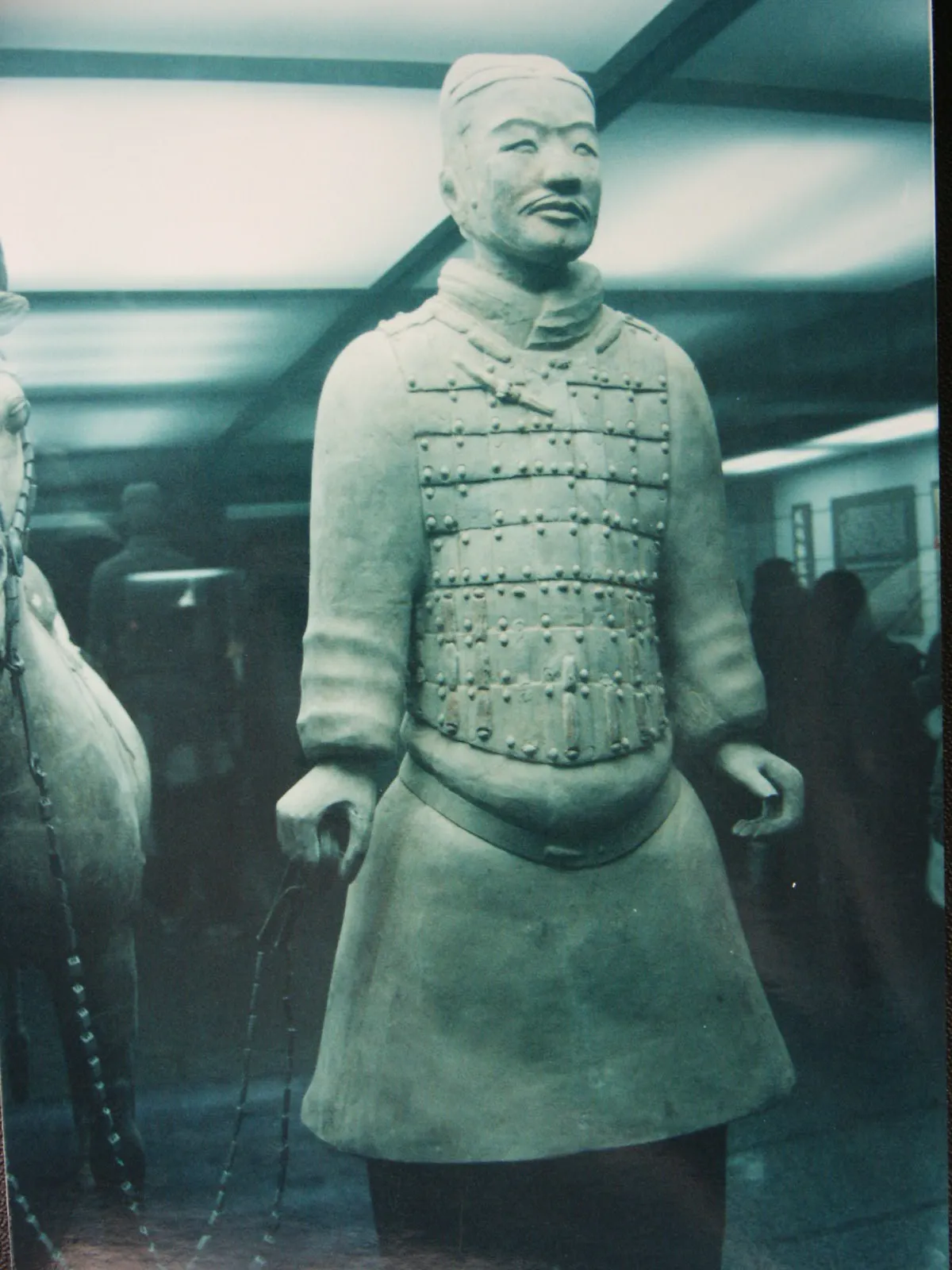
That clay fragment was a Terracotta Warrior thumb from The Cavalryman, a 2,200-year-old Qin Dynasty statue insured at $4.5 million and loaned to Philadelphia's Franklin Institute. Five years later, federal prosecutors had gone from pricing the broken digit at $150,000 to signing a plea deal valuing it under $500.
Behind the black rope
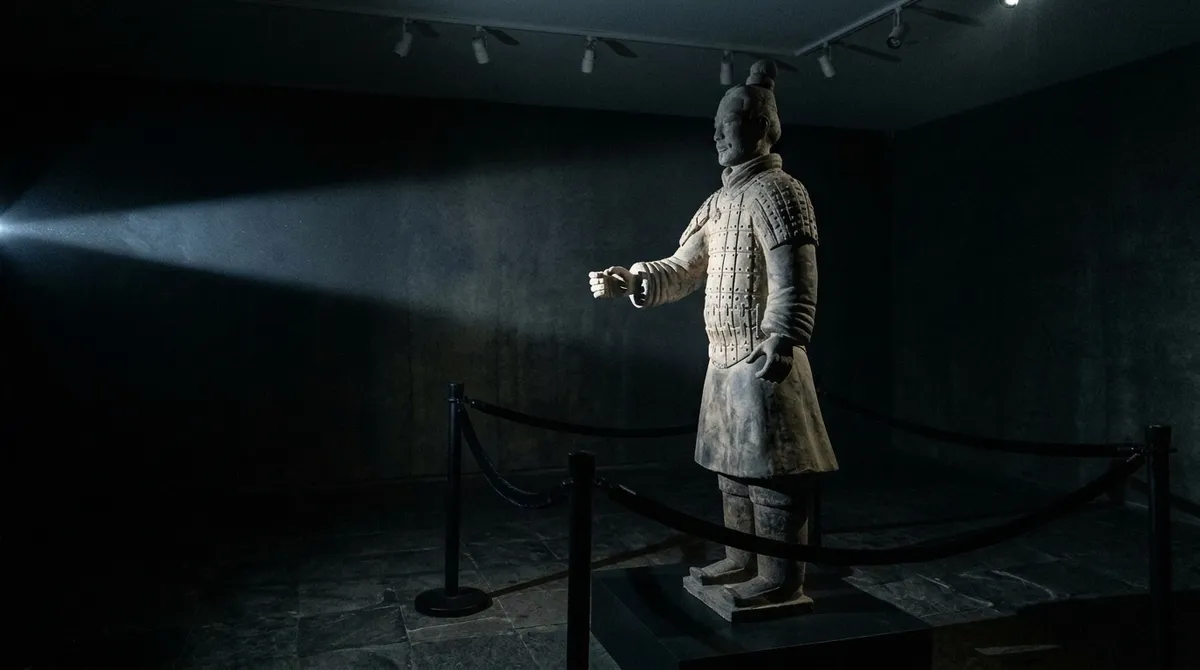
On December 21, 2017, the Franklin Institute hosted a "Science After Hours: Ugly Sweater" party. Just beyond the party floor, 10 life-size figures from Xi'an stood behind an unlocked door and a black stanchion rope.
Around 9:15 p.m., Delaware shoe salesman Michael Rohana and two friends slipped into the dark gallery. His friends walked back out. According to Archer's affidavit, Rohana stayed behind, flicked on his phone flashlight, slung an arm around The Cavalryman for a selfie, and snapped off its left thumb.
Nobody at the museum noticed for 18 days.
The next morning, Rohana sent a friend a photo of the broken thumb on Snapchat. When museum staff spotted the empty hand on January 8, security video, ticket records, and that tip brought the FBI Art Crime Team to his door.
Qin workshop potters did not carve Terracotta Army figures from solid stone; they cast hands separately in clay and joined them to hollow arms before firing. Worse, China's Shaanxi Cultural Heritage Promotion Center confirmed the thumb had already broken off during excavation and been glued back on before the U.S. tour. Rohana snapped it right along that old repair line.
How prosecutors priced a Terracotta Warrior thumb at $150,000
On March 14, 2018, the U.S. Attorney's Office indicted Rohana under 18 U.S.C. § 668, a museum-theft felony carrying up to 30 years in prison. Because the statue was over 100 years old, prosecutors had to prove the stolen piece alone topped $5,000.
At the April 2019 trial, government appraiser Michael Cohn tried to clear that bar by dividing up the statue's $4.5 million insured value. Assigning proportional shares to body parts, he priced the detached thumb at $150,000.
Federal public defender Catherine Henry mocked both the math and the felony charge. Congress wrote section 668 for calculated Ocean's Eleven heists, she told jurors, not "a drunk kid in a bright green ugly Christmas sweater." A broken piece of previously glued clay carried no standalone price tag above $5,000.
Museum officials also testified that even after the FBI shipped the fragment back to China, it had still not been reattached to the statue. After 11 hours of deliberation, 12 jurors deadlocked 7 to 5 in favor of acquittal, forcing a mistrial.
Why the plea deal settled on under $500
Four years later, in April 2023, federal prosecutors dropped the 30-year felony counts. Rohana pleaded guilty instead to a single misdemeanor under the Archaeological Resources Protection Act.
Section 470ee(d) of that law caps the offense at a one-year misdemeanor only when the artifact's value plus repair cost stays at $500 or less. Go higher, and it flips into a two-year felony. Rather than send another jury into a fight over what one broken scrap of clay fetches on the open market, both sides signed off below that statutory line.
On September 6, 2023, U.S. District Judge Chad F. Kenney sentenced Rohana, then 29, to five years of probation, 100 hours of community service, a $5,000 fine, and restitution. Zero prison time.
At the close of the hearing, Judge Kenney left no doubt about how the breach looked abroad. He called Rohana's conduct "absolutely outrageous" and "quite frankly, sickening," adding: "Everybody around the world looks at this and says, 'Yep, that's those Americans. No respect for nothing.'"