It wore through forty erasers over a month of scrubbing, and it started with a bottle of Jack Daniel's.
In 1953, Robert Rauschenberg walked to Willem de Kooning's studio hoping to rub out an established master's drawing. "I was on a very low-budget situation," Rauschenberg recalled. "But I bought a bottle of Jack Daniel's, and hoped that he wouldn't be home when I knocked on his door. And he was home."
De Kooning picked a dense sheet of charcoal, oil paint, and crayon, warning him, "I'm gonna make it so hard for you to erase this." When Rauschenberg framed the faint ghost left behind, Abstract Expressionism was already pulling apart into the nine directions below.
The Nine Movements Born From Abstract Expressionism
| Movement & Era | What It Looks Like | How It Connects |
|---|---|---|
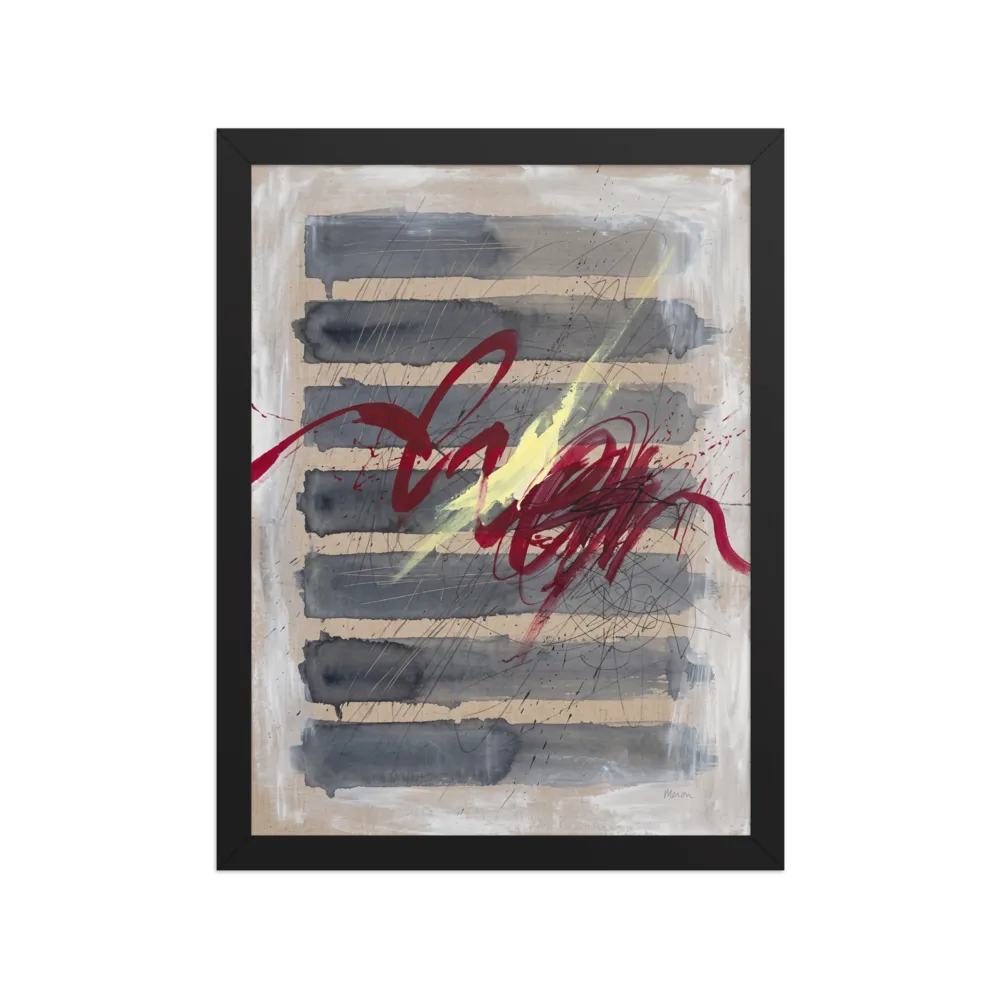
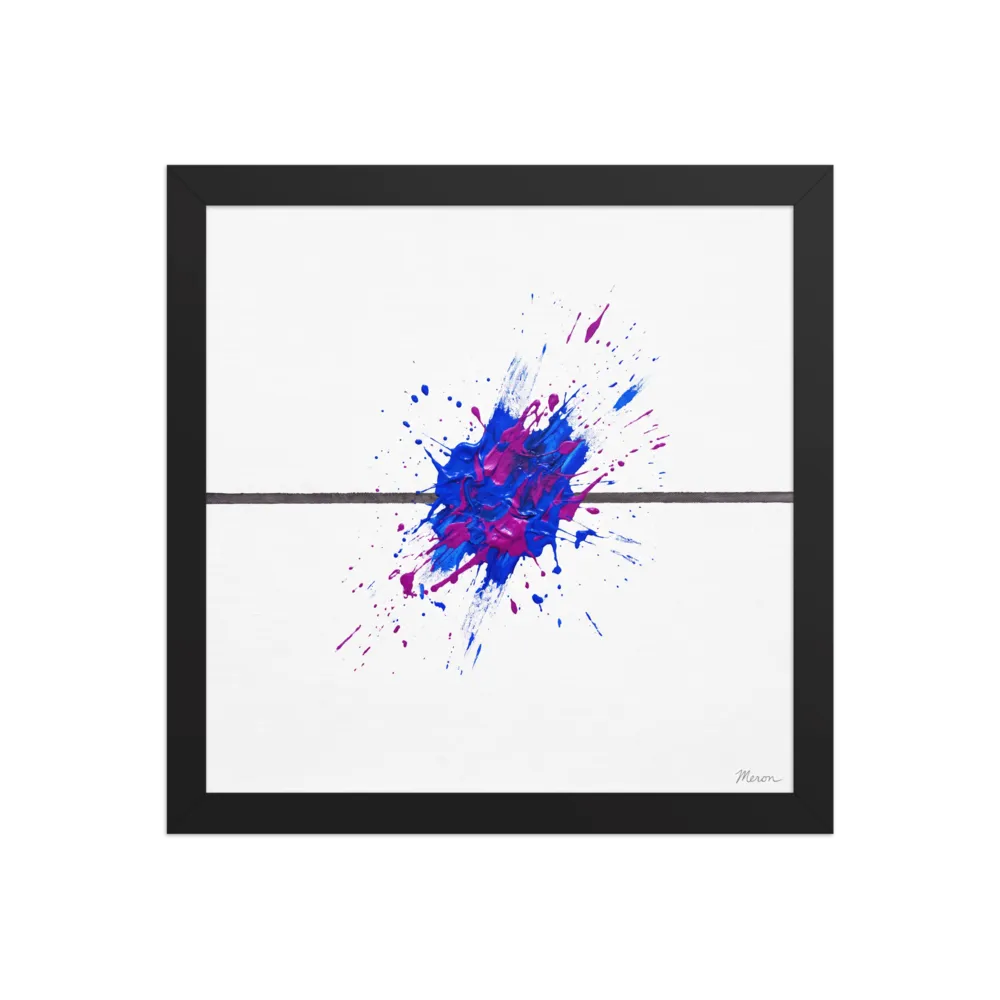
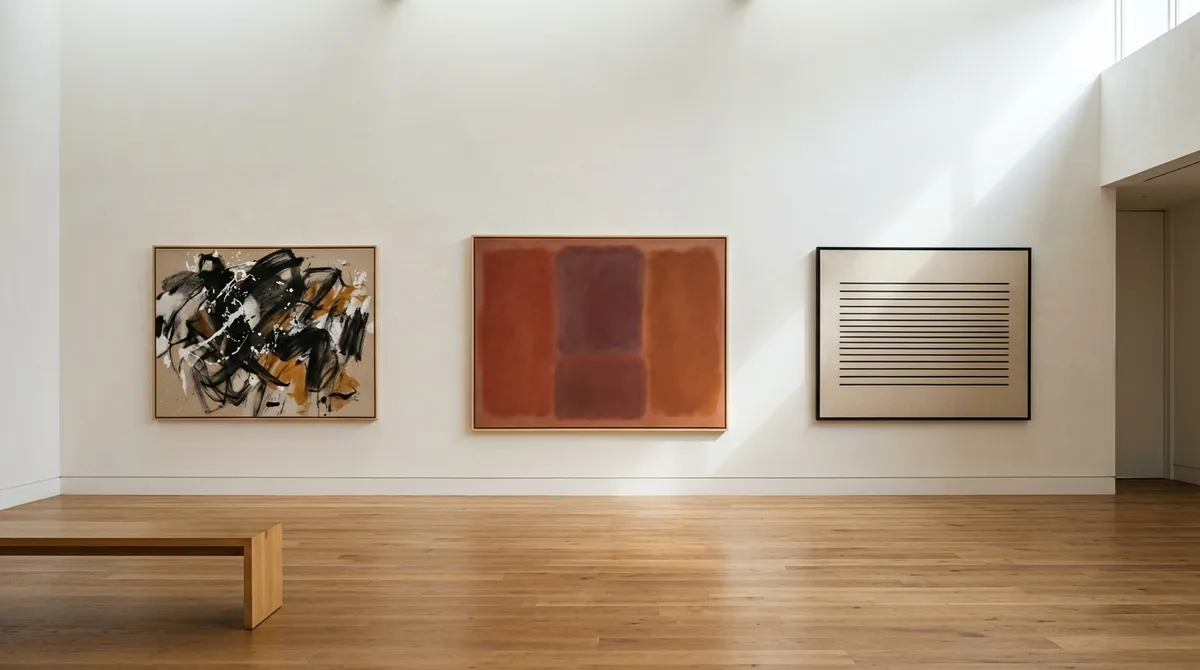
| Action Painting (1945–1965) | Flung house enamel, floor drips, and thick oil slashes | Jackson Pollock and Willem de Kooning's gestural branch |
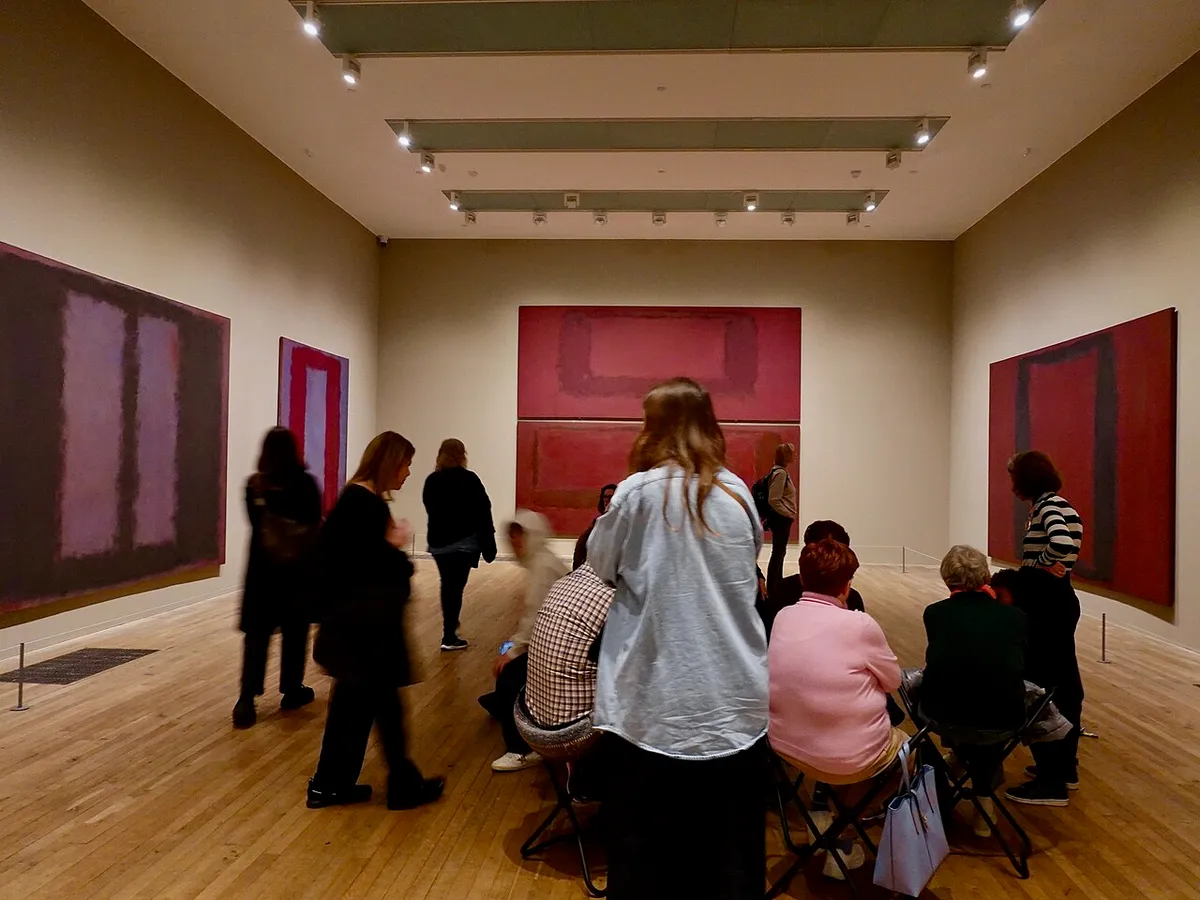
| Color Field (1948–1968) | Flat, quiet planes and paint poured on unprimed cotton | Mark Rothko, Barnett Newman, and Helen Frankenthaler's branch |
| Lyrical Abstraction (1947–Present) | Soft washes and acrylic mist sprayed with air compressors | Started in 1947 Paris; revived in 1969 New York |
| Neo-Dada (1952–1970) | Everyday objects, fabric scraps, and familiar emblems on wood | First New York revolt against dramatic brushwork |
| Minimalism (1960–Present) | Clean geometric grids, industrial steel, and identical modules | Second revolt removing the artist's hand and mood |
| Gutai Group (1954–1972) | Paint bottles hurled at cloth and live mud wrestling | Osaka group that pushed action art into performance |
| Nueva Figuración (1960s–1970) | Twisted human faces pulled out of heavy paint splatters | Argentine offshoot (often linked to AbEx) |
| Neo-Expressionism (Late 1970s–1980s) | Upside-down portraits and smashed plates glued with auto putty | 1980s return to heavy texture after Minimalist restraint |
| Verdadism (1992–Present) | Hard-edge shapes locked beside printed political essays | 1990s branch breaking the taboo on gallery wall text |
Why Two Rebellions Replaced the Paintbrush
By the mid-1950s, younger New York painters had grown tired of treating every brushstroke like sacred personal anguish. In Neo-Dada, Robert Rauschenberg swapped canvas drama for his own pillow, sheet, and patchwork quilt in Bed (1955), while Jasper Johns sealed newsprint inside hot wax for Flag.
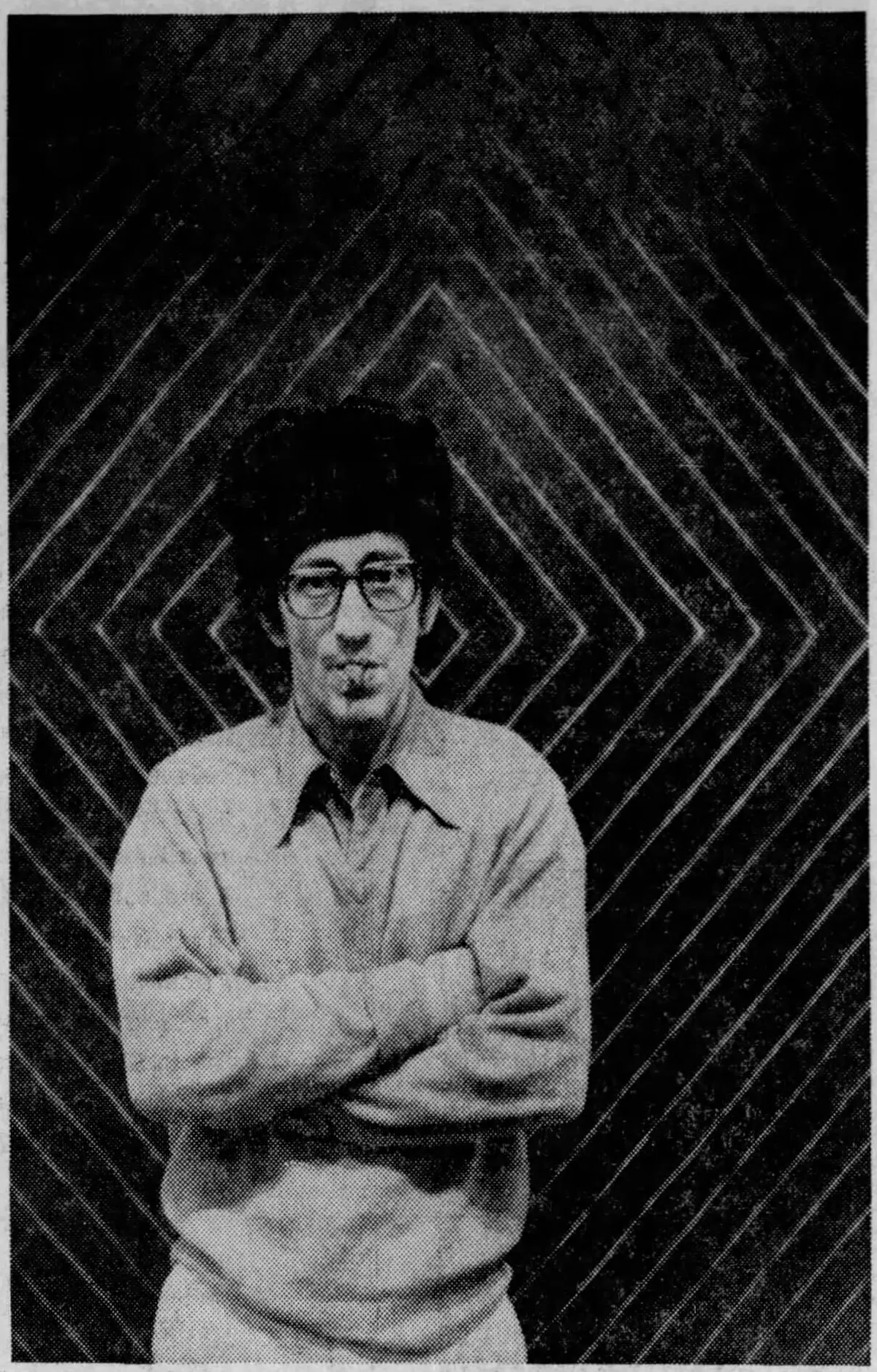
Minimalism rejected both studio angst and Rauschenberg's clutter. Frank Stella arrived at MoMA's Sixteen Americans show in December 1959 with giant black canvases painted using a house painter's brush. Asked what those stripes meant, the 23-year-old gave one blunt rule: "What you see is what you see."
After the Rebellions
Later offshoots kept breaking the cool mood Minimalism left behind. Heavy paint returned in the late 1970s, and in 1992 Soraida Martinez paired her abstract art canvases with printed essays on racism and gender in Verdadism, walking out whenever galleries offered the same compromise: "We want the painting, but without the commentary."