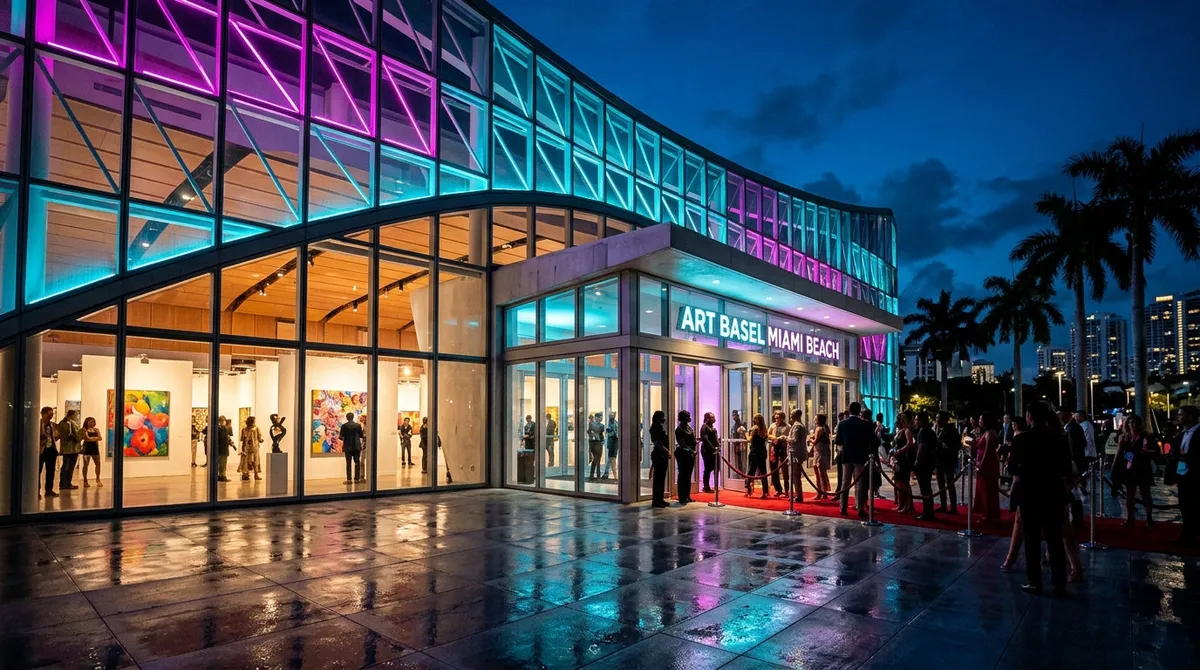
The $4,500 ticket promises intimate, unhurried discovery across the labyrinthine aisles of Art Basel Miami Beach. What it actually sells is expensive insulation from the very public whose chaotic, humid glamour made the Florida fair an international spectacle in the first place. For the price of an emerging artist's canvas, buyers receive velvet-rope protection from the crowd.
Introduced under show director Bridget Finn and parent company MCH Group, the new ticket tier marks an aggressive push to monetize the fair's aura. With global auction sales cooling and galleries balking at rising participation costs, organizers are turning high-touch hospitality into a standalone profit center.
The Anatomy of a High-Roller Wristband
According to the Art Basel Miami Beach official portal, the pass costs $3,600 for a single day and climbs to $4,500 for a two-day pass. Standard single-day general admission tickets run between $85 and $95. That fiftyfold markup buys an entirely separate circulatory system inside the Miami Beach Convention Center.
Passholders receive a private highlights tour personally led by Bridget Finn, the first dealer-turned-director in the fair's history. The package bundles dedicated on-site concierge agents, chauffeured shuttles to private collector residences across South Florida, an exclusive gift, and Thursday Vernissage credentials.
Inside the hall, passholders retreat to the East Salon, a restricted lounge shielded from the bustling trade floor. It offers champagne service, bespoke catering, and plush seating tucked away from the overhead fluorescent tubes. For wealthy attendees who find the crowded convention floor exhausting, the ticket functions as a luxury filter.
The Fine-Print Catch: Locked Out of Wednesday
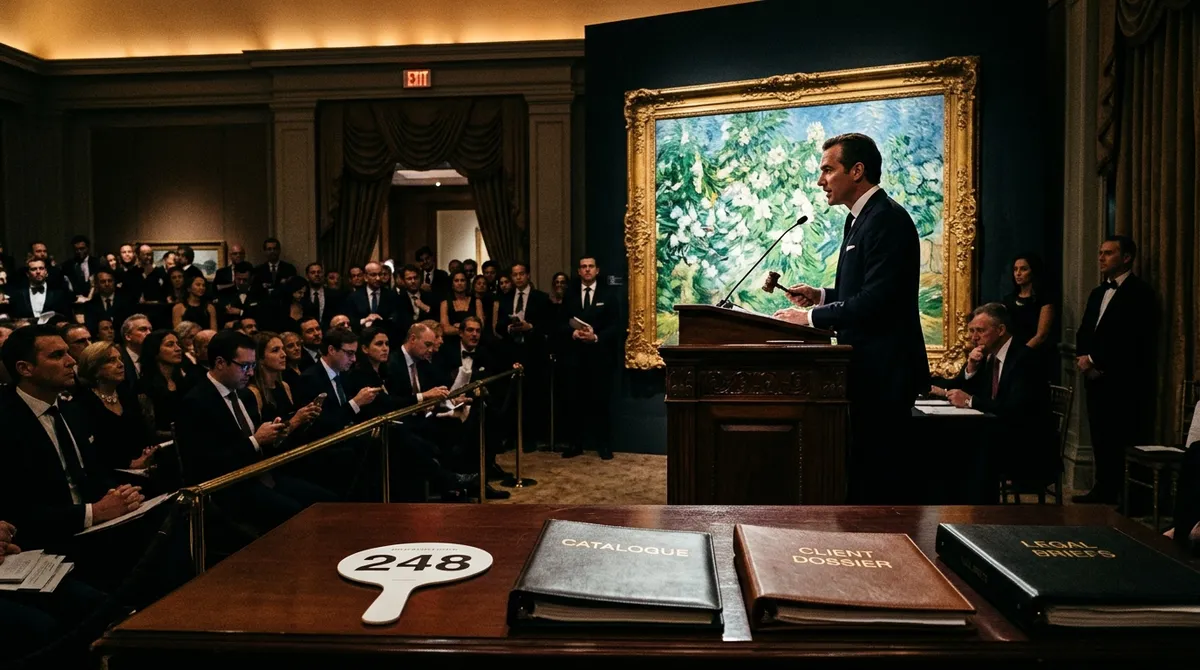
Behind the four-figure price tag sits an awkward scheduling reality. While standard buyers might assume $4,500 guarantees pole position, the ticket excludes Wednesday's ultra-exclusive opening preview day. Passholders cannot enter until Thursday afternoon at 4 PM for the Vernissage, nearly twenty-four hours after the fair's real transactions have begun.
In the international art market, those opening hours are where the primary business happens. As Andrew Russeth pointed out in the Artnet News report on the $4,500 Art Basel pass: "The fine print reveals that the pass does not grant access to the fair's high-demand opening preview day, leaving buyers locked out of the crucial first window when collectors traditionally scoop up the most sought-after works."
By the time Discovery cardholders step onto the floor, institutional trustees and blue-chip advisors have already picked the premier booths clean. Buyers are paying supercar prices for white-glove hospitality, only to browse red-dot stickers on the works they came to see.
The Six-Figure Booth Standoff
That disparity has provoked sharp irritation among exhibiting gallerists. In the main sector, booths run between $60,000 and well over $100,000 for raw floor space, with shipping, art insurance, carpentry, and hotel suites driving total costs past $150,000.
Dealers question whether escorted delegations of affluent newcomers actually buy wall art or merely disrupt serious negotiations. As one veteran European gallerist in the main hall remarked: "We are paying six figures to show ambitious art, not to serve as decorative scenery for guided luxury safaris."
Finn brings unusual perspective to the debate, having spent two decades co-founding Detroit gallery Reyes | Finn and working at Anton Kern. Fair management argues that mega-fairs have become intimidating gauntlets that alienate prospective patrons. Guided access, in Finn's framing, provides a structured on-ramp for emerging wealth looking to understand the marketplace.
That tension highlights how the fair's floor balances conflicting audiences. While curated booths showcase museum-grade investments alongside accessible editions and statement contemporary art prints, dealers must divide their attention between committed collectors and lanyard-wearing spectators.
From Hand-Delivered Cards to Commercial VIP Tiers
The new pass marks the dismantling of an unwritten art-world hierarchy. When Art Basel Miami Beach launched in 2002, VIP status was non-purchasable, functioning as a currency of patronage rather than retail commerce.
Organizers allocated a strictly capped number of black First Choice cards and burgundy Preview passes directly to exhibiting dealers. Gallerists hand-delivered them to museum directors, trustees, and collectors who had spent decades supporting their artists. The card signaled personal trust and financial track record.
As detailed in Artforum coverage of the Premium Discovery Pass, MCH Group's monetization of VIP privileges commodifies that legacy. By converting elite access into a publicly purchasable ticket, the fair sidesteps the gallery network to court affluent cultural tourists directly.
This shift mirrors broader pressures documented in Artsy analysis on art market fair economics. Facing plateaued dealer booth fees and tighter gallery budgets, fair corporations must generate new revenue streams from corporate sponsorships and luxury consumer services.
The Verdict: Viewing Art from Behind Glass
The modern art fair now functions as two distinct operations under a single roof. In the aisles, it remains an intense trade exchange where dealers conduct high-stakes business behind curtained back rooms. Surrounding it is a curated theme park designed for affluent visitors who want the cultural cachet of contemporary art without its social gatekeeping.
What the $4,500 Discovery Pass ultimately demonstrates is that art fairs have transcended the business of selling physical objects. Today, the most lucrative product at the Miami Beach Convention Center might just be the illusion of insider status, sold at retail to anyone with four thousand dollars and an appetite for looking at art from behind velvet ropes.