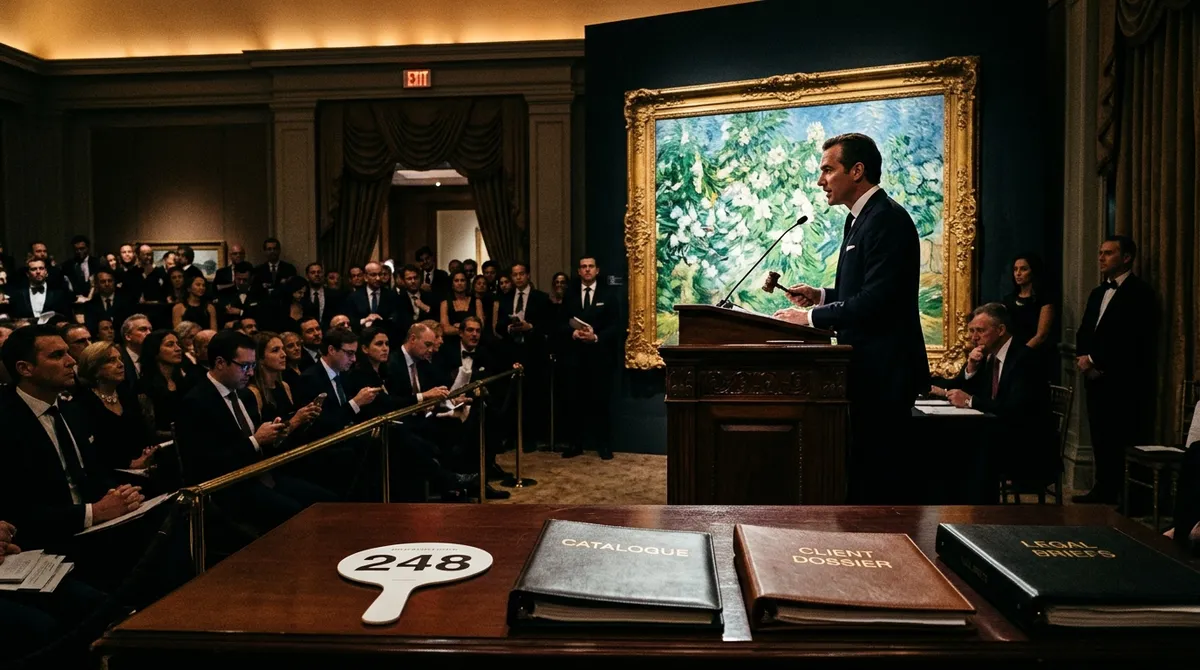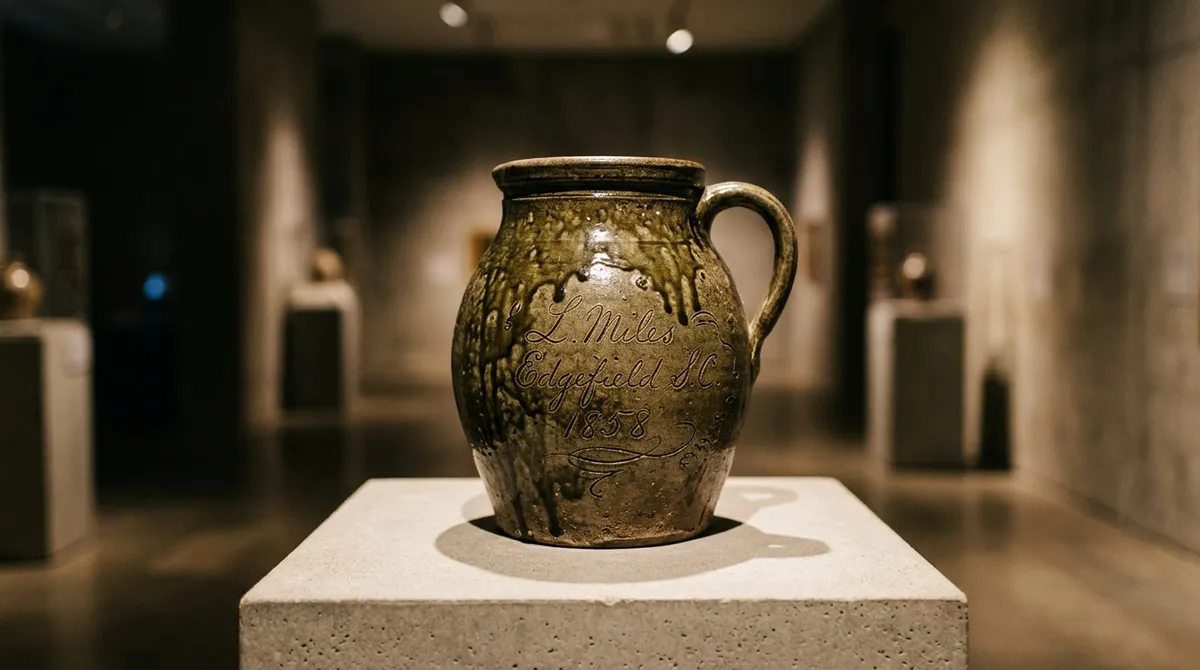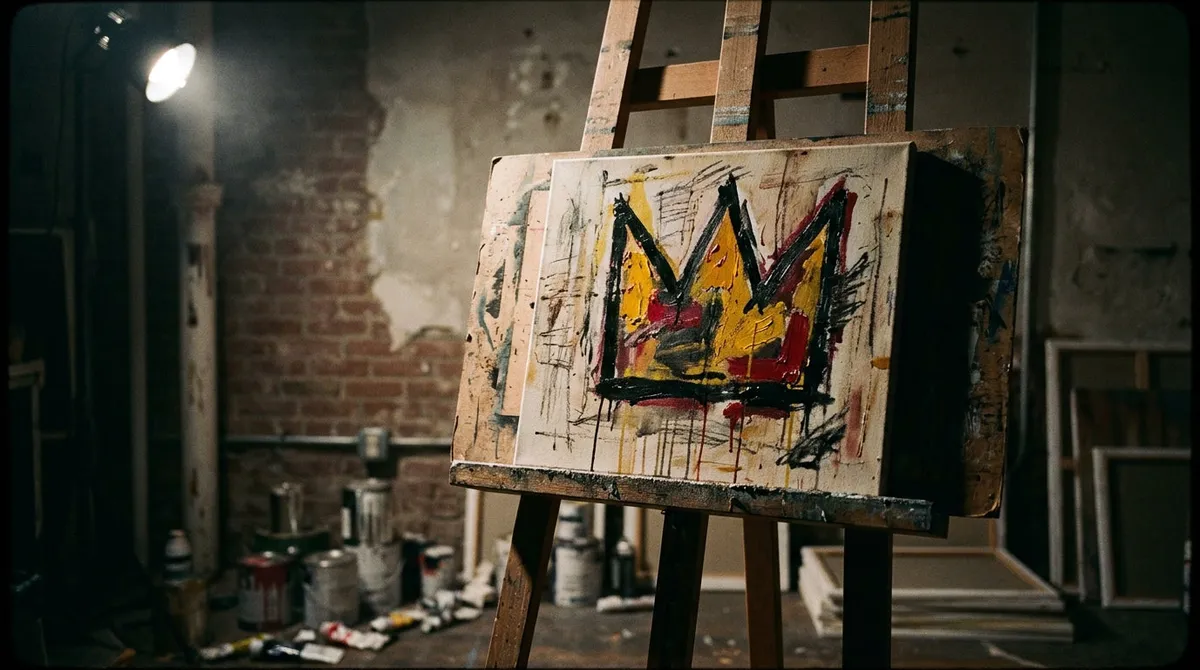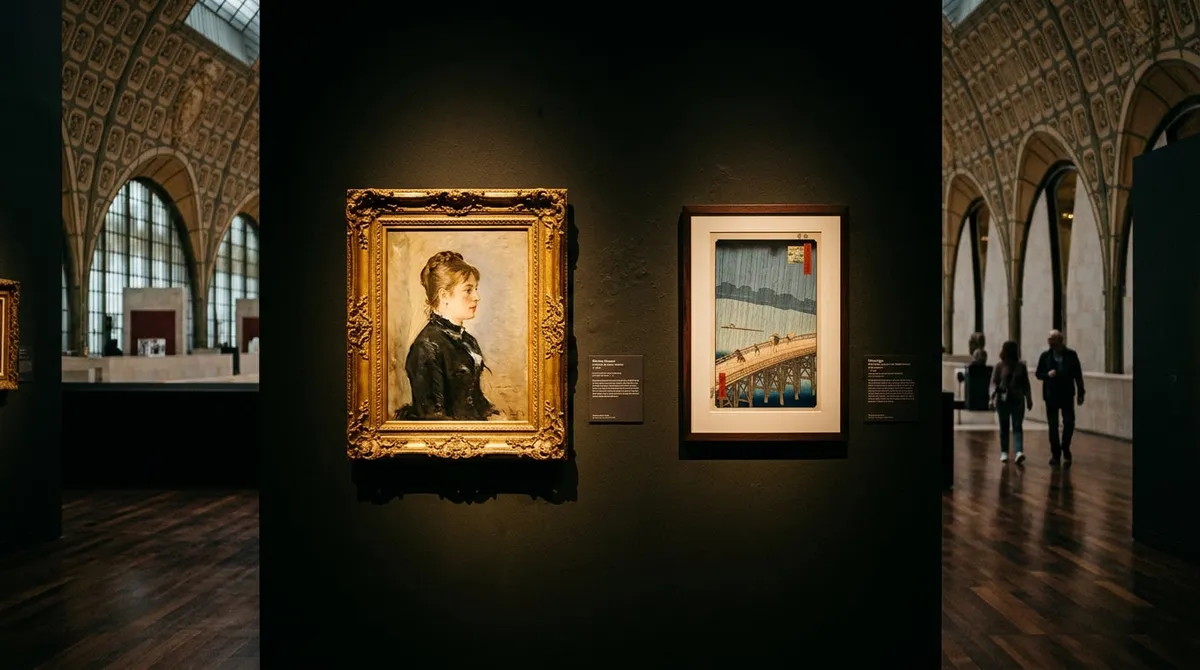
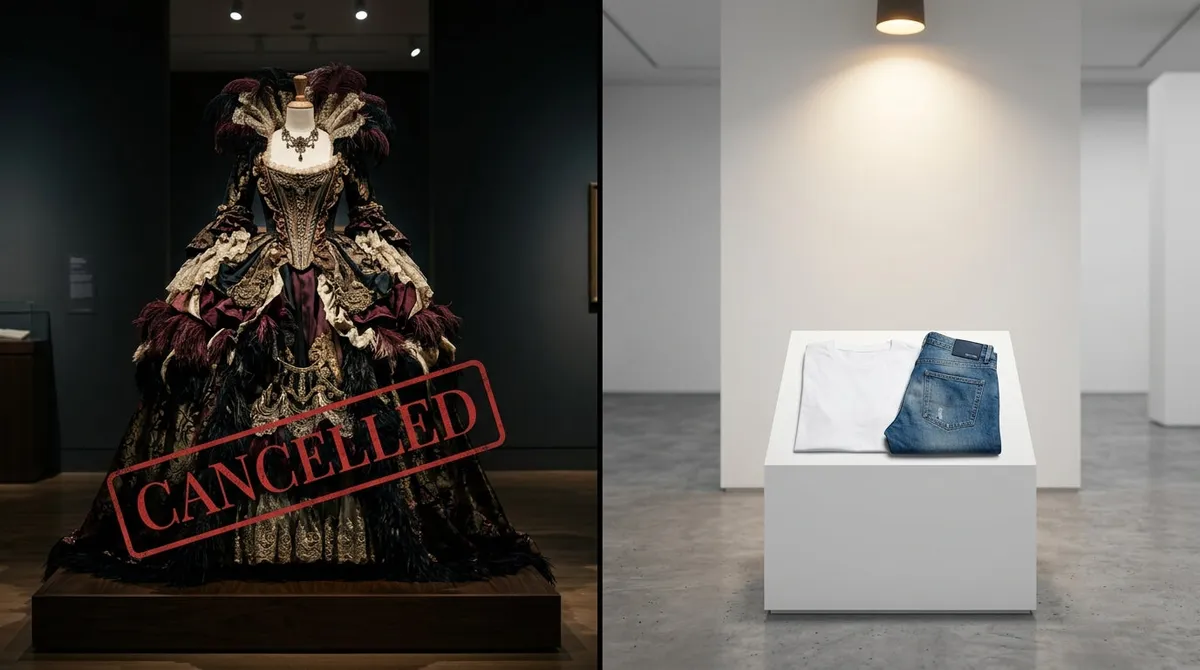
A single seat at the Costume Institute Benefit now costs $75,000, and corporate tables routinely clear $350,000. Yet on Monday, May 3, 2027, the world's most gilded celebrities and private equity heirs will climb the Metropolitan Museum of Art's red carpet dressed in frayed blue jeans, grey cotton hoodies, and industrial bubble wrap.
That jarring paradox defines the new Met Gala 2027 theme. On November 5, 2026, museum officials unveiled extraORDINARY: Fashion and the Poetics of the Everyday, a curatorial 180-degree turn engineered to rescue the institution from its biggest public relations catastrophe in a decade.
Just months earlier, the museum seemed bound for a radically different universe. In July 2026, the Costume Institute announced John Galliano: Horizons, a sweeping retrospective honoring the British designer's four decades of historical romanticism, corsetry, and theatrical excess. The reaction from donors and museum trustees was immediate.
Patrons, collectors, and Jewish community leaders mobilized against the retrospective, citing Galliano's 2011 Paris conviction for antisemitic and racist tirades. Facing donor boycotts and mounting protests, the Met and the designer released a joint statement on August 31, 2026, quietly canceling the retrospective. Artforum reported on the Costume Institute replacement exhibition as an emergency pivot away from toxic publicity.
Curator in Charge Andrew Bolton had roughly nine weeks to conjure an entire spring blockbuster from scratch. His answer was not another survey of 18th-century court dress. Instead, he reached for the humblest items in human closets: workwear, postal packaging, and disposable paper.
Camp A: The Haute Couture Mourners
To fashion traditionalists, this swap feels like institutional panic masquerading as curatorial depth. The Metropolitan Museum of Art Costume Institute was created to preserve and celebrate rare craft that street fashion could never produce: hand-spun Brussels lace requiring months at the pillow; whalebone corsetry engineered to sculptural tolerances; hand-dyed plumes; and feathered evening coats that demanded thousands of hours of disappearing atelier labor.
Replacing that patrimony with denim and thermals strikes purists as an admission of defeat. If the Met cannot defend historical couture, why does the Costume Institute even exist? Galliano represented the outer boundary of fashion fantasy; replacing him with a Hanes crewneck feels like trading a cathedral ceiling for acoustic foam tiles.
There is also the question of authenticity. Watching billionaires pay six figures to mount limestone steps in factory overalls looks uncomfortably close to poverty cosplay. The rich have flirted with peasant blouses for centuries, but codifying it as museum-grade art pushes satire into bad taste.
When high fashion strips away artisanal craft, all that remains is brand markup. Paying $3,000 for a pre-dirtied cotton shirt is not a philosophical revelation. For Camp A, it is simply a rip-off bathed in museum spotlighting.
Camp B: The Ready-Made Revolutionaries
Curator Andrew Bolton and his conceptual allies see things differently. To them, discovering transcendence in the vernacular is modern art's most enduring triumph. When Marcel Duchamp entered a porcelain urinal into an exhibition in 1917, he established that art lives in context and intention rather than decorative surface.
Andy Warhol ran the same provocation decades later, turning commercial soup cans and supermarket packaging into celebrated pop art prints. The Italian artists of Arte Povera did the same with industrial rags, scrap lead, and raw burlap. Bolton is simply bringing that long-standing avant-garde tradition to Fifth Avenue.
Bolton structured the upcoming exhibition around two distinct galleries: "Familiar Forms" and "Common Matter." The exhibition opens with Jun Takahashi's Autumn/Winter 2024 collection for Undercover, inspired directly by Wim Wenders's film Perfect Days, which chronicles a Tokyo toilet cleaner who finds profound beauty in daily routine. From there, the gallery examines how visionary designers re-engineer wardrobe staples into conceptual statements.
Visitors will encounter Brooke Shields's 1980 Calvin Klein denim alongside Marc Jacobs's infamous 1992 Perry Ellis grunge collection. Jacobs sent flannel shirts and silk thermals down a luxury runway, got promptly fired for it, and ended up rewriting modern sportswear history. Nearby, Matthieu Blazy's 2022 Bottega Veneta trompe l'œil jeans appear identical to five-pocket denim but are printed in twelve passes onto supple nubuck leather.
The second wing, "Common Matter," pushes utilitarian materials even further. Here, the museum displays garments stitched from brown kraft paper, postal tape, aluminum foil, and plastic bubble wrap. The roster reads like an avant-garde hall of fame: Martin Margiela's recycled packaging tunics, Rei Kawakubo's asymmetric Comme des Garçons silhouettes, and Issey Miyake's pleated paper dresses.
Anyone with an oligarch's budget can look spectacular in Chantilly lace and diamonds. Real creative intellect reveals itself when a designer takes disposable shipping packaging and discovers silhouette and grace. For Camp B, this is not an institutional retreat; it is an overdue celebration of what clothing actually means to living people.
Where the Met Gala 2027 Theme Meets the Street
The collision between these two factions will culminate on the first Monday in May. A cultural event with deep roots in high-society ball culture, chronicled in Vogue's official history of the Met Gala, will face its strangest visual test yet. Will attendees respect the curatorial brief, or will they panic and arrive in traditional evening gowns?
The broader economic backdrop sharpens the debate. As Hyperallergic observed regarding the theme as a recession indicator, fashion always flirts with austerity when economic anxieties mount. When inflation bites and wealth gaps widen, parading down Fifth Avenue in Marie Antoinette crinolines looks politically reckless.
Yet ennobling workwear on a $75,000 red carpet carries its own quiet irony. The blue jean was engineered for miners and railway laborers who needed heavy cotton canvas that would not tear in the dirt. The white crewneck was issued as a utilitarian undershirt for naval sailors.
Both garments were invented so ordinary people would never have to think about fashion. In May 2027, the world's most exclusive museum will charge fortunes to tell us they are high art.